 Rohit Kamal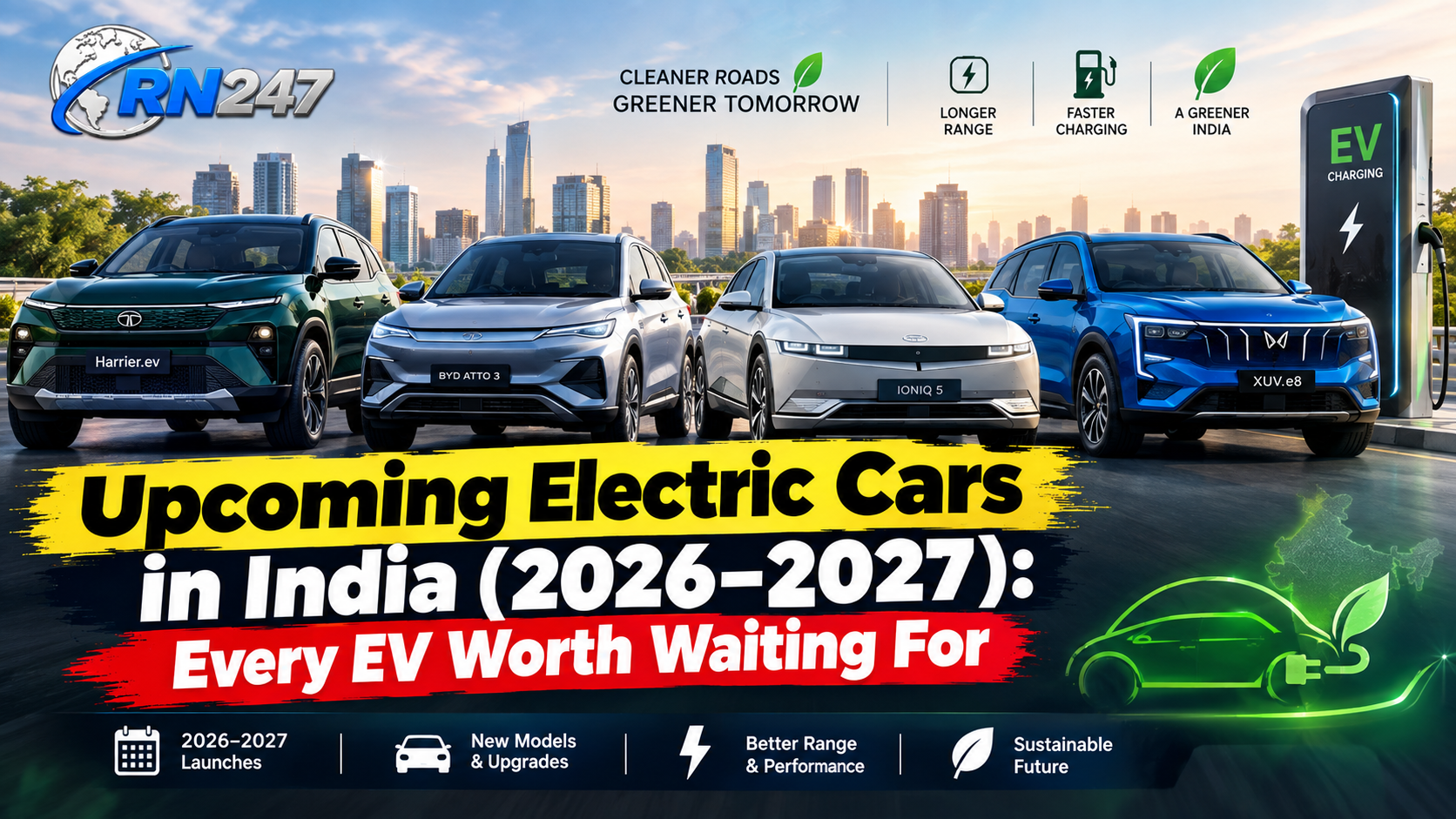
Introduction
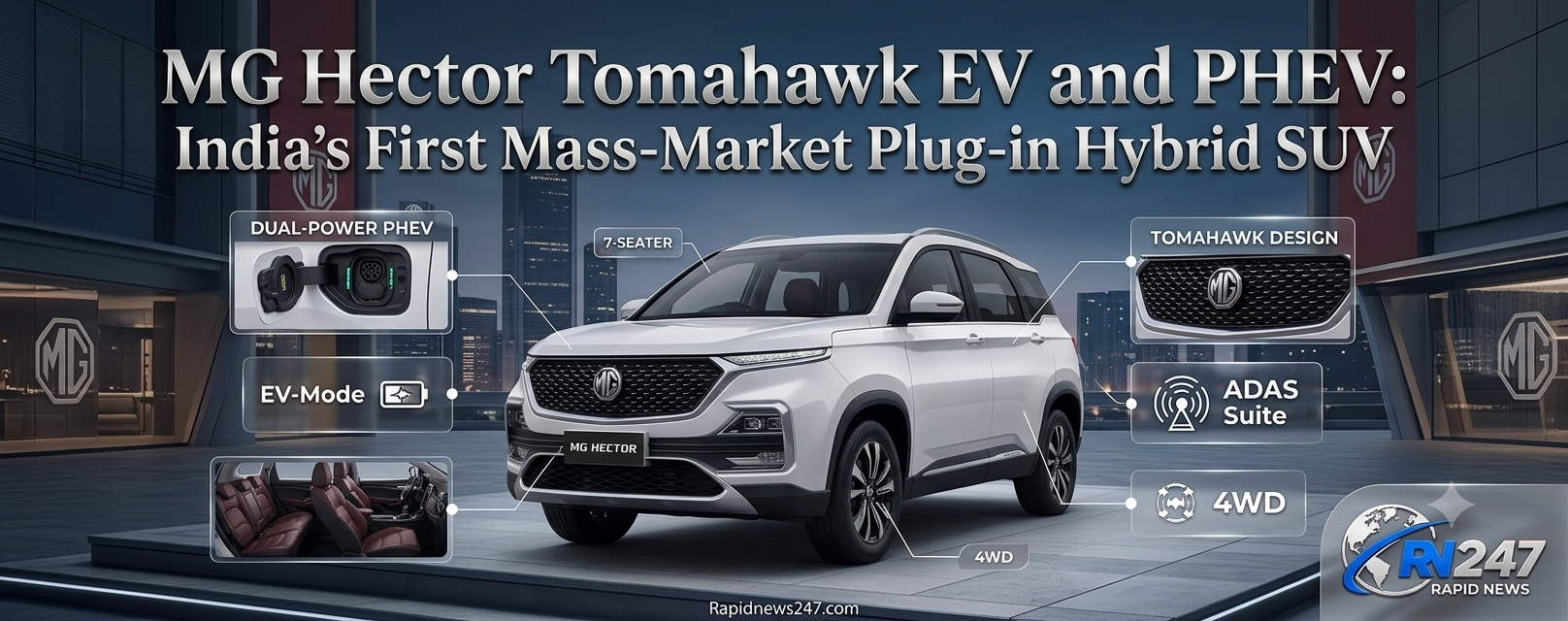
Electric cars in India market have moved fast in 2026 — the Mahindra XEV 9S, Tata Harrier EV, MG Hector Tomahawk EV and PHEV, and the Kia Syros EV have all reached showrooms this year alone. But the pipeline for what’s still coming is arguably even more interesting.
Over the next twelve to eighteen months, Indian buyers can expect a proper three-row electric SUV from Tata, a premium born-electric SUV from Mahindra, the first model from Tata’s standalone luxury EV brand, and a fresh wave of budget-friendly electric hatchbacks aimed at first-time EV buyers.
Here’s a clear, fact-checked look at what’s genuinely coming, what’s still speculative, and when you can realistically expect each of these cars to reach Indian roads.
Tata Safari EV: India’s First Mainstream 7-Seat Electric SUV
The most anticipated upcoming EV in India right now is the Tata Safari EV — and for good reason. It would be the first mainstream, mass-market fully electric 7-seater SUV in the country, filling a gap that currently has no direct rival on sale.
What’s expected:
Launch window: widely reported as Diwali 2026 (October–November), though Tata has not issued an official date
Expected price: ₹22.5 lakh to ₹30 lakh (ex-showroom), varying by source.
Built on Tata’s Acti.ev+ platform—the same architecture underpinning the Tata Harrier EV. Likely to offer the same 65 kWh and 75 kWh battery options as the Harrier EV, with rear-wheel-drive and all-wheel-drive variants. The range is expected to be broadly in line with, or slightly below, the Harrier EV’s MIDC-claimed 538–627 km.
What’s confirmed vs. what’s still speculative: Tata has confirmed the Safari EV is coming and has been spotted testing on Indian roads since June 2026, but the company has not officially announced pricing, exact specifications, or a locked launch date. Multiple outlets independently converge on a Diwali 2026 timeline and a ₹22–30 lakh price band, which gives reasonable confidence in the broad strokes — but exact variant pricing should be treated as an estimate until Tata’s official unveiling launches. The Safari EV will go head-to-head with the Mahindra XEV 9S and MG. Hector Tomahawk EV in the three-row electric SUV space.
Mahindra BE.07 :
A premium electric SUV, now pushed to 2027, Mahindra’s BE.07 — internally codenamed B07 — is the production version of a concept first shown back in August 2022. It’s positioned as a premium, roughly Harrier-sized five-seater sitting above the existing BE 6 in Mahindra’s electric lineup, built on the dedicated INGLO skateboard platform.
What’s expected: Expected price: ₹25 lakh to ₹30 lakh (ex-showroom) Likely features: a triple-screen dash board, Level 2 ADAS with adaptive cruise control and automatic emergency braking, frameless doors with flush handles, and a panoramic sunroof on higher trims Multiple battery options are rumoured, from a rear-wheel-drive 59 kWh entry variant to an all-wheel-drive 79 kWh flagship, with claimed range figures reported as high as 650–679 km on the top variant
What’s confirmed vs. what’s still speculative: Mahindra has confirmed the BE.07 is coming, and test mules with frameless doors and camouflaged bodywork have been spotted on public roads. However, the timeline has shifted — the model was originally expected around October 2026 but is now more widely reported for a first-half-2027 launch, a genuine delay rather than a rumour discrepancy. Battery capacity, exact range, and final pricing remain officially unconfirmed.
Tata Avinya: The First Model From Tata’s Premium EV Brand
Avinya is Tata’s standalone premium electric sub-brand, positioned above the Harrier EV, and it’s expected to bring its first model to market before the end of 2026. Tata has shown two concepts under the Avinya name so far — a four-door coupe and an SUV called Avinya X — and has indicated the first production model is likely to be a five-door, low-slung sportback design.
What’s confirmed vs. what’s still speculative: The Avinya brand and its 2026 launch timeline have been stated by Tata itself, and the car will be the first to use Tata’s next-generation Gen 3 “born-electric” skateboard platform. However, pricing, exact specifications, and which concept most closely resembles the final production car are not yet officially disclosed — treat these as open questions until Tata’s official reveal.
Maruti Suzuki’s Second EV: An Electric MPV
Having entered the EV space with the e Vitara, Maruti Suzuki EV is expected to follow up with an all-electric MPV built on the e Vitara’s platform, positioned above the Ertiga and XL6 in Maruti’s lineup.
What’s expected:
-Expected to share the e-Vitara’s 49kW range profile
-Estimated price: ₹20 lakh to ₹25 lakh
-Expected to compete directly with the Kia Carens Clavis EV
What’s confirmed vs. what’s still speculative: Maruti has not confirmed whether this MPV arrives by the end of 2026 or slips into early 2027, and no official name, price, or exact specification sheet has been released. This entry is included because Maruti’s EV platform strategy makes the vehicle highly likely, not because it has been formally announced in detail.
The Budget EV Wave: Hyundai Inster, VinFast VF3 and More
Beyond the SUV-heavy headlines, a genuinely important shift is happening at the affordable end of the market. The Hyundai Inster (also referenced in some reports under the working name HE1i for India) and the VinFast VF3 are both expected to arrive in the ₹75 lakh to ₹12 lakh range, aimed squarely at buyers considering an EV as their first car rather than a second or premium vehicle. A more affordable BYD SUV, positioned below the existing Atto 3 and using BYD’s Blade battery technology, is also reported to be in the pipeline for late 2026 or early 2027, with a claimed range in the 312–410km band depending on the source.
What’s confirmed vs. what’s still speculative: None of these models have official India pricing or confirmed launch dates yet. They’re included because multiple independent automotive outlets consistently report them as part of the near-term pipeline, but exact specifications and timing should be treated as directional rather than final.
Why This Wave of Launches Matters
Two clear trends stand out across this pipeline. First, three-row and premium electric SUVs are finally arriving in meaningful numbers — until now, buyers wanting a family-sized EV with three rows had essentially one option (the Mahindra XEV 9S) alongside MG’s newly launched Hector Tomahawk EV. The Tata Safari EV would make it a genuine three-way contest. Second, the affordable end of the EV market — long dominated by the Tata Tiago EV and Punch EV — is about to get meaningfully more competitive, which should help bring EV ownership costs down for first-time buyers across the board.
What We Know So Far
Confirmed:
Tata has stated the Safari EV and the first Avinya model are both coming, with the Safari EV already spotted in testing.
Mahindra has confirmed the BE.07 is in development, with a 2027 launch now more widely reported than the earlier late-2026 target.
Maruti’s second EV, an MPV based on the e Vitara platform, is part of the company’s publicly stated EV roadmap.
Reported / Expected (not yet officially confirmed):
Specific prices and battery/range figures for the Tata Safari EV, Mahindra BE.07, Tata Avinya’s first model, and Maruti’s electric MPV.
Exact launch windows beyond broad seasonal estimates (Diwali 2026, “before end of 2026”, 2027).
Details on the Hyundai Inster/HE1i, VinFast VF3, and an affordable BYD SUV, all of which remain in the reported-pipeline stage.
Frequently Asked Questions
1. Which electric cars are launching in India in 2026–27?
The most substantiated upcoming models include the Tata Safari EV, Mahindra BE.07, the first model from Tata’s Avinya brand, a Maruti Suzuki electric MPV, and affordable options like the Hyundai Inster and VinFast VF3.
2. When will the Tata Safari EV launch in India?
Multiple reports point to a Diwali 2026 (October–November) launch, though Tata has not confirmed an official date.
3. What is the expected price of the Tata Safari EV?
Estimates range from roughly ₹22.5 lakh to ₹30 lakh (ex-showroom), depending on the source and variant.
4. When will the Mahindra BE.07 launch?
Originally expected around October 2026, most current reports now point to a 2027 launch instead.
5. What is the cheapest upcoming EV in India?
The Hyundai Inster and VinFast VF3 are both expected to be among the more affordable upcoming EVs, in the ₹75 lakh to ₹12 lakh range, though neither has official India pricing yet.
6. Which upcoming EV will have the longest range?
Early reports suggest the Mahindra BE.07’s top AWD variant could claim a range as high as 650–679km, but this figure is unconfirmed and should be treated as speculative until Mahindra releases official specifications.
7. Is it worth waiting for an upcoming EV instead of buying one now?
It depends on your needs. If you specifically need a three-row electric SUV or a lower-priced entry EV, waiting a few months could be worthwhile since those segments are genuinely underserved today. If a current model already meets your requirements, there’s little reason to delay a purchase for a car that’s still months away and not yet officially priced.